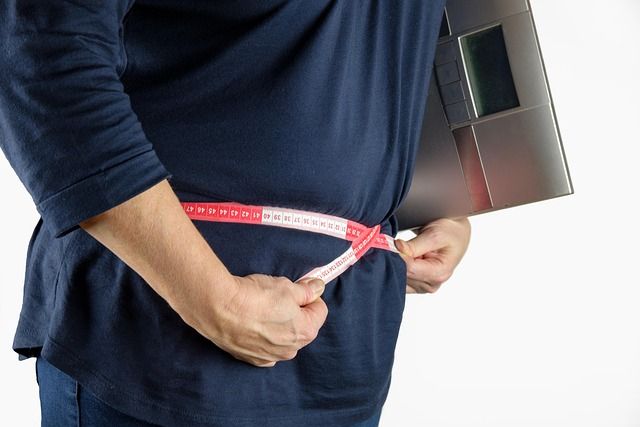
Taking the stairs instead of the elevator or skipping the sugary sodas and juices can help you cut hundreds of calories.
Speedy weight loss may be possible with extreme exercise or some fad diets, but these types of diets are not sustainable. Moreover, fast weight loss typically involves losing water and muscle mass more than fat.
Exercise
One of the best ways to lose weight fast is through a combination of diet and exercise. A good starting point is to cut down on sugar. It can be very hard at first, but it will help you to burn fat faster and reduce overall body weight.
You can also start walking more and increase your cardio workout to burn more calories. Choosing the right exercises will also make a difference. Choose a combination of aerobic and resistance training, as well as bodyweight exercises. Aim to do these three to five times a week.
The amount of calories you will burn each day will depend on the intensity, duration and frequency of your exercise. For example, if you walk 30 minutes each day, you will burn about 250 calories per day. If you do this daily, it will take you about two weeks to lose a pound of body weight.
In addition to regular exercise, you can increase your non-exercise activity thermogenesis by being more active throughout the day. For example, parking farther away from the entrance of a mall, taking the stairs instead of elevators or even tapping your foot can help you burn more calories.
While a quick weight loss plan may seem tempting, it’s important to remember that losing weight quickly is not sustainable. In fact, rapid weight loss can lead to unhealthy dieting behaviors that could backfire in the long run.
Eat Right
If you want to lose weight fast, it’s important to make healthy food choices. You’ll need to cut back on calories, eat more fruits and vegetables, and eat less fat and sugar. It’s also a good idea to eat at least three meals a day, and snack on nutritious foods between meal times.
When trying to lose weight quickly, avoid fad diets and products that promise quick results. Many experts agree that the best and safest way to lose weight is gradually, as people who drop pounds too quickly often lose muscle, water, and bone mass instead of fat.
It’s also a good idea to stop eating when you feel satisfied, rather than continuing to eat until you’re stuffed. It can take 20 minutes or more for your brain to register the feeling of fullness, so be sure to pay attention while you’re eating. Sitting down to eat at a table, without distractions, can help you focus on your meal and slow down.
If you find it difficult to stick to your healthy eating plan, consider keeping a food diary. You can use a paper journal or an app on your phone or tablet to track what you’re eating and drinking. Some apps even provide recipes and grocery lists that meet the nutritional guidelines you’re working towards.
Avoid Alcohol
Alcohol is high in calories, and mixed drinks can be particularly calorie-dense because of syrups, juices and other ingredients. In addition, research suggests that drinking can lead to poor food choices and overeating, so cutting back on alcohol may help you reach your weight loss goals.
A single serving of alcohol contains seven calories, compared to carbohydrates’ four and fat’s nine, so it’s no surprise that even a few cocktails can rack up hundreds of calories. And when you add in mixers, the calorie count skyrockets.
Adding to the problem, when you drink alcohol, your body treats it like a toxin and stops metabolizing and burning food for fuel, so any calories consumed afterward are more likely to be stored as fat. This makes it hard to lose weight.
However, that doesn’t mean you have to completely cut out booze. In fact, it’s fine to enjoy alcohol in moderation, as long as you limit how much you drink and choose healthier mixers (or skip the mixers entirely). To do so, consider these tips:
Sleep
While many people believe that consuming fewer calories will lead to weight loss, sleep plays an important role in the complex hormonal and metabolic processes that affect energy balance and body fat. The amount of time you spend sleeping (adults need 7 to 9 hours per night) and the quality of that sleep can alter hormones that regulate hunger and satiety.
When you don’t get enough sleep, your body produces higher levels of the hunger-promoting hormone ghrelin and lower levels of the fullness-promoting hormone leptin, which can contribute to overeating. You’ll also crave foods that provide quick, easy energy, like sugary and high-fat snacks, which can quickly add up to extra pounds.
Sleep deprivation may also interfere with the body’s ability to burn fat for fuel. Researchers have found that insufficient sleep increases the production of acylated ghrelin, which encourages fat storage and blocks the breakdown of glycogen. Additionally, sleep deprivation can cause the liver to convert protein to glucose, a process that uses up more calories than burning fat does.
Sleeping well is a key part of losing weight, and it is possible to make changes that will help you fall asleep faster, stay asleep longer and wake up feeling more refreshed. For example, avoid using the bedroom as a workspace or entertainment center and turn off your screens at least an hour before bed. It is also helpful to establish a regular sleep schedule, going to bed and rising at the same times each day, even on weekends.
Featured Image Source: https://cdn.pixabay.com/photo/2019/10/30/17/38/measuring-tape-4590164_640.jpg

