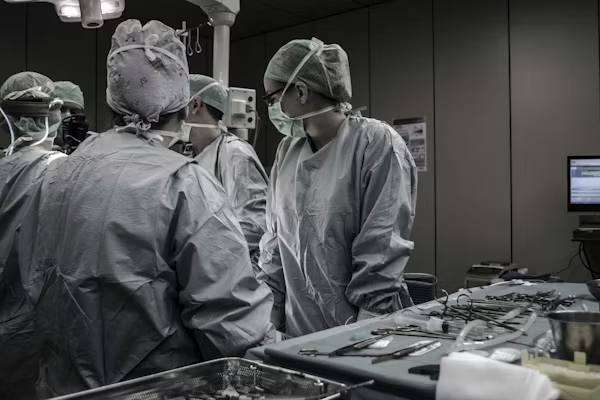
Behind every confident surgeon and well-trained physician sits years of careful study, and much of that learning happens with real human tissue rather than just diagrams. The story of modern healthcare often starts with someone choosing to donate their body after death. That quiet choice carries a weight most people never see, yet it shapes everyday care for humanity at large.
When Real Tissue Teaches More Than Books Can
Real Human Experience Builds Real Skill: Textbook diagrams can only go so far when a future physician needs to understand how nerves, muscles, and organs actually feel and respond. Body donation after death gives medical students a chance to learn from real human structure, which sharpens their judgment in ways simulations rarely match during early training.
Bridging Theory and Practice in Training: Most medical schools weave classroom theory with practical lab time, and body donation plays a central role in that process. Students who study real tissue tend to remember anatomical relationships more clearly, which carries forward into safer patient care once they begin clinical rotations and start treating patients directly under supervision.
Where Scientific Progress Quietly Begins
Filling the Gaps in Research Resources: Research labs across the country often face shortages in materials needed for anatomical study, especially for niche areas like rare conditions or refined surgical techniques. Without steady access, projects stall, and promising treatments take longer to reach the patients who need them most each year, which slows progress for everyone.
A Lifeline for Specialized Medical Fields: Specialized fields like neurosurgery, orthopedic reconstruction, and reconstructive plastic work depend heavily on practice with real human structure. Donations allow these disciplines to grow, refine procedures, and develop newer approaches that translate into better outcomes for everyday patients facing complex diagnoses or recovery from serious injury, even in smaller community hospitals.
The Quiet Reach of a Single Decision
Beyond the Lab and Into Daily Care: Discoveries made through educational contribution rarely stay confined to research papers. Insights drawn from surgical simulation and detailed dissection often work their way into operating rooms, residency programs, and even the protocols followed in community hospitals. One donor’s gift can ripple outward through countless future treatments and refined approaches over many years.
A Legacy That Reaches Generations: The person who donates rarely meets the students who learn from that act, yet the influence travels far. Future patients receive care from physicians whose hands were guided by donated tissue years earlier. That kind of reach turns a single decision into something with quiet, lasting meaning for many people.
The Practical Side Families Often Overlook
What Donor Programs Typically Handle: Reputable programs work to ease the family’s load at a tender time, taking care of practical steps so loved ones can focus on remembering. The coordination often covers more ground than people expect when they first reach out. A short look at the common services makes the picture clearer for those starting to plan.
- Transportation from the place of passing to the partner facility
- Coordination with research and educational institutions across the country
- Required documentation and identification handling throughout the process
- Cremation services once the donation participation has concluded
- Return of cremated remains to the family within a reasonable timeframe
A Quiet Way to Keep Helping
For those drawn to the idea of contributing beyond a single lifetime, exploring an educational donation program can be a thoughtful next step. Reading through program details, asking questions, and starting the registration process early gives families clarity and peace of mind. Future medical students will carry that generosity forward.
Featured Image Source: https://images.unsplash.com/photo-1504813184591-01572f98c85f?w=600&auto=format&fit=crop&q=60&ixlib=rb-4.1.0&ixid=M3wxMjA3fDB8MHxzZWFyY2h8Nnx8c3VyZ2VyeXxlbnwwfHwwfHx8MA%3D%3D


