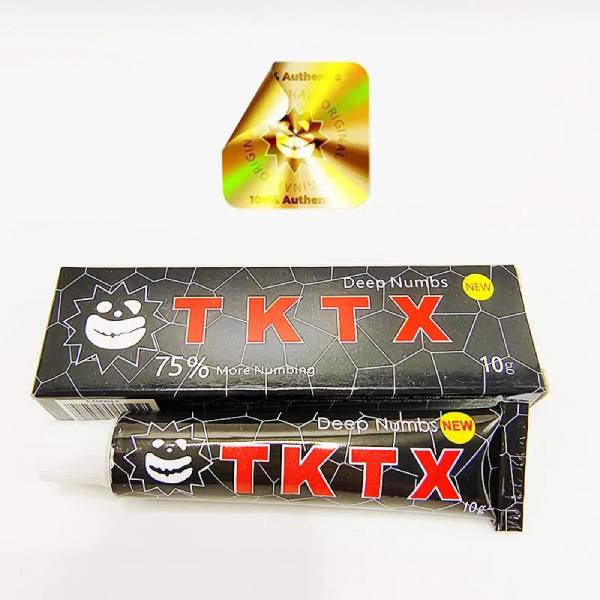
Fine-line tattoos and intricate designs ask a great deal from anyone sitting in the inking chair. The artist needs steady skin and a still subject, and the client needs personal focus to last without the pain. That balance becomes much harder when raw discomfort builds across the long hours of a single detailed sitting.
Why Long Sittings Test More Than Patience
The Quiet Cost of Extended Sessions: For sleeves, back pieces, and dense portrait work, the pain rarely stays flat throughout. Sensitivity tends to rise as the skin gets worked over the same patch, and that creeping feeling can pull focus away from staying still. TKTX numbing cream Australia options give clients a calmer baseline before the needle starts moving on the skin.
Repeat Visits Add Up Differently: Multi-session pieces bring a different kind of strain to the body. Each return visit lands on tissue that already remembers the previous round, so the threshold for irritation often sits lower than first-timers might expect. TKTX tattoo numbing cream products help soften that second-pass sting and keep the appointment moving along nicely.
What Preparation Looks Like Before the Needle
Skin Readiness Before the First Pass: Tattoo preparation works much better when the skin is properly clean, dry, and free of lotions before any topical anaesthetic sits on it. A measured layer, covered with cling film for occlusion, gives the active ingredient time to settle into the upper layers and reach a useful level of effect over time.
Timing Around the Appointment: Most clients apply the cream somewhere around 45 to 60 minutes before the artist begins. That window matters because lidocaine needs proper time to absorb through the upper skin, and removing the wrap too early can leave deeper layers under-treated, while leaving it on past the recommended mark adds little extra benefit.
Habits That Help the Body Cope During Detailed Work
Small Adjustments Clients Often Forget: Comfort across a detail-heavy sitting often comes down to a few small habits that often get overlooked when nerves are running high in the studio chair. A short personal checklist makes the day feel less rushed and a bit more in the client’s own hands going into a longer appointment of any kind:
- Eating a proper meal before arriving so blood sugar stays steady
- Wearing loose clothing that does not press on the working area
- Staying well hydrated in the hours leading up to the session
- Taking short agreed breaks rather than pushing through rising tension
- Listening to music or a podcast to ease mental tension during work
Working Together With the Artist: Open conversation with the artist makes detailed sittings run smoother for everyone involved. Clients who mention sensitivity zones, prior reactions, or specific pain triggers ahead of time give the studio room to plan breaks and pacing in a sensible way. Those who flag discomfort early often finish sessions far less drained.
Sitting Through the Hours With More Ease
Detailed inking takes time, and the body feels every minute of it. Good preparation along with a trusted numbing option can change how a long session feels in the chair, especially when pacing is agreed with the artist beforehand. Browse the range, pick what suits the piece ahead, and walk into the next sitting more ready than the last one.
Featured Image Source: https://www.numbingcream.com.au/cdn/shop/files/IMG-20231201-WA0007-900x_1024x1024@2x.jpg?v=1705194986