Most offices in Kenya now lean heavily on connected systems where staff move between video calls, shared drives, and cloud tools across the working day. Slow networks or ageing hardware tend to interrupt these patterns, and the effect spreads quickly through a team. Companies that get the basics right often see steadier output from their people.
Hardware Choices That Shape Daily Work
Office Machines That Hold Steady Under Load: Computers handle long hours of mixed work, from spreadsheets to design tools, and weak units slow people down. Businesses checking the desktop computer price before placing an order usually look past the headline figure, weighing processor strength, memory size, and warranty cover before settling on a model that suits the daily demands of the office.
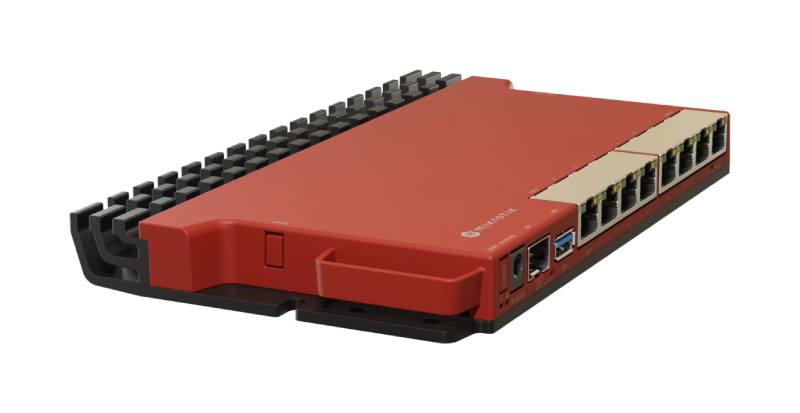
Networking Gear That Keeps Teams Linked: A stable connection matters as much as the machine sitting on the desk, especially for offices running cloud apps or IP-based phones. Reviewing the Mikrotik router price in Kenya gives buyers a sense of what mid-range and enterprise units cost, and most procurement officers compare throughput, port count, and feature sets before settling on a final choice.
Building Networks That Support Real Work
Wiring The Office For Long-Term Use: Cabling tends to outlast almost every other office choice, which is why structured cabling still gets careful attention from facilities teams. Proper installation reduces signal drops, supports higher speeds across longer cable runs, and keeps the office tidy behind the scenes. Poorly planned wiring shows up later as recurring faults and patchy connectivity.
Routine Checks That Catch Small Faults Early: Small habits keep office networks running without surprise outages. IT staff often work through a short checklist each week:
- Reviewing router logs for unusual activity
- Checking switch port status and cable seating
- Confirming backup power units still hold charge
- Updating firmware on access points and routers
These steps pick up faults early and lower the chance of an unplanned shutdown during business hours, saving the team from sudden disruptions.
Power And Cloud Services Working Together
Backup Systems For Sensitive Equipment: Power cuts still trouble many offices around Nairobi, and short outages can corrupt files or damage server gear. Pairing UPS units with cloud computing workflows means data stays reachable even when the local network needs to ride out a brief interruption. Most teams now treat backup power as part of the basic setup rather than a later add-on.
Storage Choices For Growing Teams: Office storage has shifted from large local drives towards mixed setups that use both on-site and remote backups. This approach gives staff quicker access during normal work and keeps a second copy safe in case of hardware failure. Smaller firms often start with a simple hybrid plan and grow it as the team gets bigger.
Security Habits That Protect Daily Operations: Office security goes past locking the front door, and digital threats now sit higher on the worry list for most IT managers. Regular password updates, careful access controls, and monitored endpoints reduce the chance of breaches. Staff training matters too, since most security slips trace back to a small mistake at someone’s desk.
Setting Teams Up For Steadier Days Ahead
Picking the right mix of computing, networking, and backup gear takes some thought, and rushing the process tends to cost more later on. Buyers looking to put a stable office system in place should explore a tested range of business computing and networking equipment, request side-by-side comparisons across brands, and arrange a setup tailored to the way the team works each day.
Featured Image Source: https://www.dataworld.co.ke/wp-content/uploads/2024/07/Mikrotik-L009UiGS-RM-Gigabit-Ethernet-Router-scaled.webp


