You wake up with a tingling hand that just won’t stop. Or maybe your headaches have started arriving like clockwork, every afternoon, sharper each week. You wonder if it’s stress. You wonder if it’s something worse. So who do you even see for this malaise?
A nerve specialist doctor called a neurologist, is the person you’re looking for. Neurologists study and treat conditions of the brain, spinal cord, nerves, and muscles. They handle everything from migraines and seizures to numbness, weakness, memory loss, and tremors.
There’s also a related specialist called a neurosurgeon. The difference matters. A neurologist treats nerve conditions through medicines, therapies, and lifestyle plans. A neurosurgeon operates when surgery becomes the answer. Most people start with a neurologist first.
Signs You Should Not Ignore
Some nerve problems creep in slowly. Others arrive without warning. Certain signs still deserve attention sooner rather than later.
- Persistent headaches that change in pattern or get worse
- Numbness, tingling, or weakness in your arms, legs, hands, or feet
- Sudden trouble with speech, vision, or balance
- Memory issues that seem to grow over weeks or months
- Seizures, blackouts, or fainting spells
- Tremors or shaking that you can’t control
- Burning or shooting pain that travels along a limb
If any of these stay for more than a few days, book an appointment. If they come on suddenly, treat it as an emergency. A stroke gives you a narrow window where treatment can save brain tissue. Waiting costs you that window.
Why Early Diagnosis Changes Everything
Nerves don’t heal the way skin does. Damage can become permanent if it goes untreated. That’s the honest truth nobody likes to hear. Diabetic neuropathy can slowly destroy sensation in your feet. By the time you notice, the nerve might already be gone for good.
Catching nerve issues early gives your doctor room to work. Medications can slow progression. Physiotherapy can rebuild strength. Lifestyle changes can prevent further damage. The earlier you start, the more options you keep.
What Happens at Your First Visit
Walking into a neurology clinic for the first time can feel intimidating. Here is what to expect.
The doctor will ask about your symptoms in detail. When did they start? How often? Do they get worse with certain activities? Family history matters too, since many nerve conditions have a genetic angle.
Next comes a physical exam. The neurologist might test your reflexes, balance, coordination, eye movements, and muscle strength. Simple tools like a small hammer and a light go a long way here.
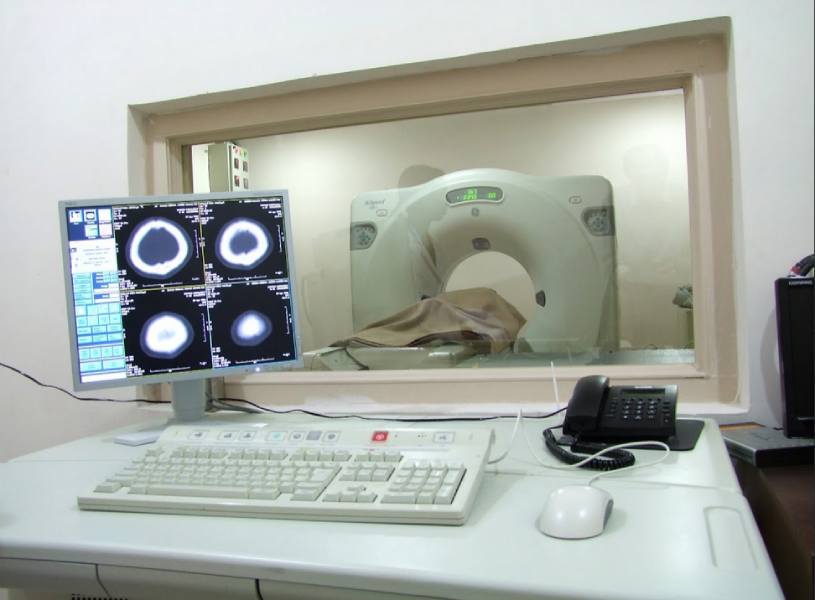
If needed, you might be sent for tests. These can include MRI or CT scans, nerve conduction studies, EMG, or blood work. Most reports come back within a few days.
Finding the Right Care in Ranchi
Ranchi has grown into a healthcare hub for Jharkhand and nearby regions. Choosing a hospital in Ranchi for neurology care comes down to a few practical things.
- Look for hospitals with full diagnostic facilities on site, including MRI and EMG.
- Check if the neurology department has both consultants and ICU support.
- Ask about emergency stroke care protocols, since timing here is everything.
- Find out whether physiotherapy and rehabilitation are available under one roof.
Nerve problems rarely fix themselves. If something feels off and it’s been going on too long, listening to that instinct is probably the smartest first step you can take.
Featured Image Source: https://drive.google.com/drive/folders/1kCxmKWRKvxJAwujuCM0Msm-4fDqIAF9i


